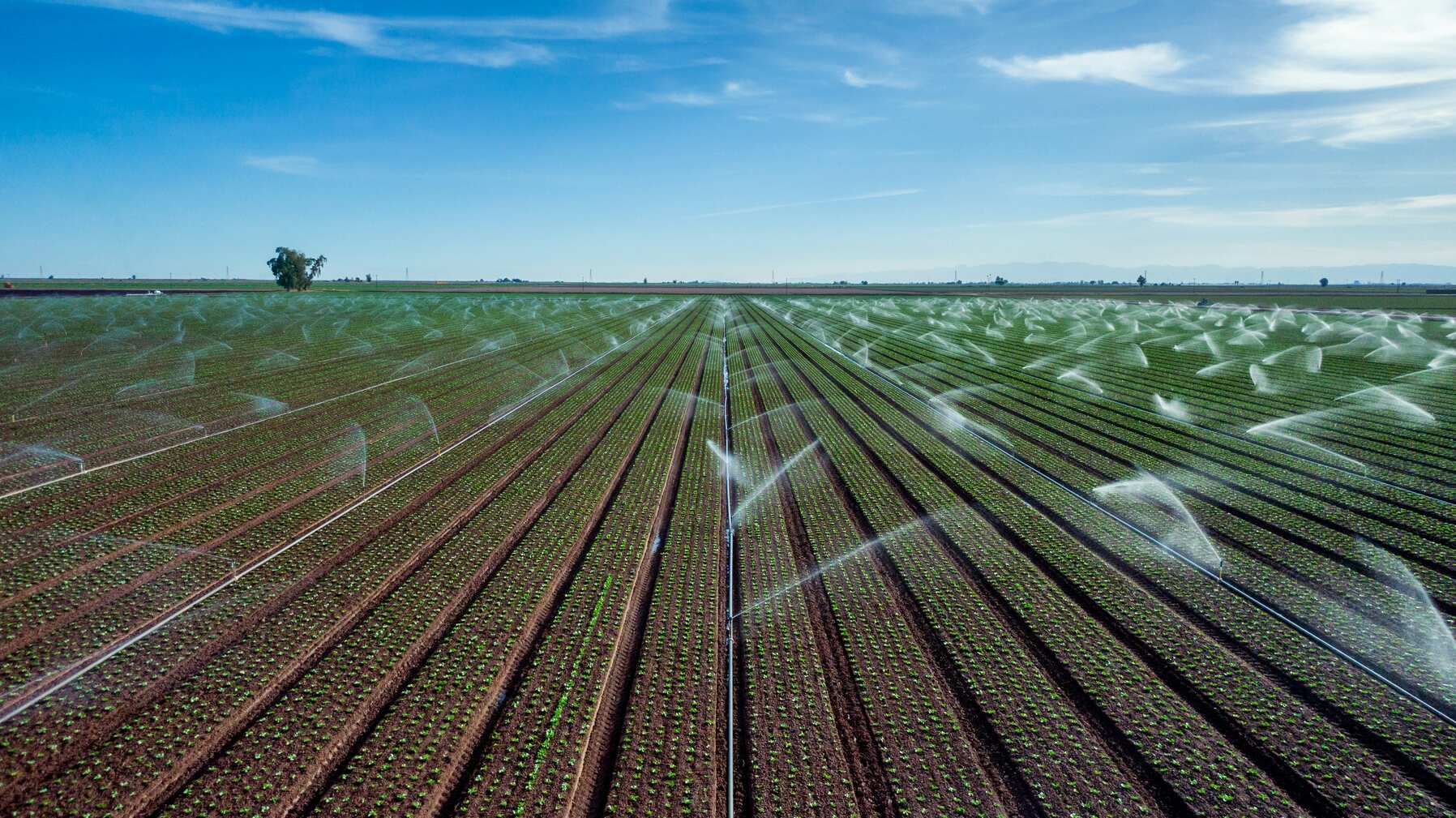
Water plays a vital role in successful ranch management. Healthy pastures, productive crops, and reliable livestock operations depend on a steady water supply. However, changing weather patterns, rising operating costs, and limited water resources make traditional irrigation methods less dependable. Ranch managers must find practical ways to deliver enough water without wasting valuable resources.
Modern irrigation techniques help ranch managers improve water efficiency while protecting soil health and supporting long-term productivity. These methods combine improved equipment, careful planning, and simple technology to make watering more effective. Understanding how different irrigation systems work allows ranch managers to choose solutions that fit their land, climate, and operational needs.
Understanding the Importance of Modern Irrigation
Effective irrigation involves more than supplying water to dry land. It requires delivering the right amount of moisture at the right time. Too much water can damage soil, weaken plant roots, and increase operating expenses. Too little water can slow pasture growth, reduce crop yields, and limit available livestock feed.
Modern irrigation practices help ranch managers maintain a healthier balance. Improved systems reduce unnecessary water loss and distribute moisture more evenly. They also give managers greater control over irrigation schedules. This approach supports stronger vegetation, better land conditions, and more predictable ranch operations throughout the growing season.
Using Drip Irrigation for Targeted Water Delivery
Drip irrigation delivers water directly to the soil near plant roots through small tubes and outlets. Unlike traditional watering methods, it limits the amount of water exposed to wind and direct sunlight. This makes it especially useful for orchards, gardens, and other planted areas where precise watering matters.
Ranch managers can use drip irrigation to support crops that need consistent moisture without soaking surrounding ground. The system also reduces unwanted plant growth between planted rows because water reaches selected areas. Although installation requires planning and regular maintenance, drip irrigation can improve water efficiency and reduce the labor needed for routine watering.
Improving Pasture Watering With Sprinkler Systems
Modern sprinkler systems offer flexible solutions for watering large pastures and cultivated fields. These systems distribute water through controlled spray patterns that resemble natural rainfall. Ranch managers can adjust sprinkler placement, water pressure, and operating times to match field conditions and vegetation needs.
Proper sprinkler management helps prevent uneven watering and unnecessary runoff. Managers should inspect sprinkler heads regularly and avoid operating systems during strong winds whenever possible. Early morning watering often reduces evaporation compared with watering during the hottest part of the day. These simple adjustments can improve irrigation performance without requiring major equipment changes.
Monitoring Soil Moisture Before Irrigating
Soil moisture monitoring helps ranch managers make better watering decisions. Instead of relying only on visual signs of dryness, managers can use moisture sensors to understand conditions below the surface. These devices measure available moisture at selected depths and help identify when plants may need additional water.
This information can prevent unnecessary irrigation and protect plant roots from excessive moisture. Managers should place sensors in representative areas and consider differences in soil texture and plant growth. Regular monitoring also helps identify changes during hot weather or extended dry periods. By understanding actual soil conditions, ranch managers can develop more accurate watering schedules.
Using Smart Irrigation Controllers to Save Water
Smart irrigation controllers make watering schedules easier to manage. These devices can use weather information, soil moisture readings, and programmed settings to control irrigation equipment. Some systems allow managers to review operations and make adjustments remotely through connected devices.
Automated controls can reduce the need for constant manual supervision, especially on ranches with several watering zones. However, managers should review system settings regularly and confirm that equipment works correctly. Technology provides useful guidance, but local knowledge remains essential. Combining automated controls with practical field observations creates a more dependable irrigation strategy.
Choosing Irrigation Methods Based on Soil Conditions
Different soil types absorb and hold water at different rates. Sandy soil allows water to move through quickly, while clay-rich soil generally absorbs water more slowly. These differences affect how often ranch managers should irrigate and how much water they should apply during each watering session.
Understanding soil conditions helps prevent runoff, standing water, and moisture loss below plant roots. Ranch managers can adjust watering duration and frequency to match the land. Shorter watering periods may work better where water enters the soil slowly. Fields with faster-draining soil may need more frequent attention. Matching irrigation practices to soil characteristics supports healthier vegetation and more efficient water use.
Reducing Water Loss Through Better Scheduling
Irrigation timing has a direct effect on water efficiency. Watering during extremely hot or windy conditions can increase evaporation and reduce the amount of moisture reaching the soil. Ranch managers should consider temperature, wind, rainfall, and plant needs when planning irrigation activities.
Seasonal changes also require adjustments. Pastures may need more water during periods of rapid growth and less during cooler weather. Managers should avoid following the same watering schedule throughout the year without checking conditions. Flexible scheduling helps conserve water while maintaining the moisture needed for healthy plants. It can also reduce pumping expenses and unnecessary equipment use.
Preventing Runoff With Controlled Water Application
Runoff occurs when water reaches the ground faster than the soil can absorb it. This problem can waste irrigation water, carry away valuable soil, and create uneven moisture conditions. Sloped fields and compacted ground are especially vulnerable when irrigation systems apply too much water at once.
Ranch managers can reduce runoff by adjusting application rates and improving soil conditions. Allowing water to soak into the ground between shorter irrigation cycles can also help. Maintaining healthy vegetation and avoiding unnecessary soil compaction improves water absorption over time. These practices protect productive land while making irrigation more effective.
Maintaining Irrigation Equipment for Reliable Performance
Even advanced irrigation systems require regular maintenance. Leaking pipes, clogged outlets, damaged sprinkler heads, and incorrect pressure settings can waste significant amounts of water. Small equipment problems may also create dry patches or excessively wet areas that affect pasture and crop growth.
Routine inspections help ranch managers identify problems before they become expensive repairs. Cleaning filters, checking connections, and testing water distribution can improve system reliability. Managers should also examine pumps and electrical controls according to manufacturer guidance. Well-maintained equipment delivers more consistent results and supports efficient operations throughout the irrigation season.
Combining Water Conservation With Healthy Pasture Management
Irrigation works best when ranch managers consider the overall condition of their pastures. Healthy grass cover protects soil from excessive heat and helps improve water absorption. Proper grazing management also supports stronger root systems and reduces damage caused by heavy livestock traffic.
Managers can coordinate irrigation schedules with grazing rotations to give recovering pastures appropriate growing conditions. Watering should reflect plant needs, soil moisture, and seasonal weather rather than a fixed routine. This coordinated approach helps maintain useful forage while reducing unnecessary water consumption. Over time, healthier pastures can improve the ranch’s ability to handle dry conditions.
Preparing Ranch Irrigation Systems for Future Challenges
Water availability can change because of drought, shifting rainfall patterns, and growing demand from nearby communities. Ranch managers need irrigation plans that remain practical under different conditions. Flexible systems, accurate monitoring, and dependable equipment can help operations respond to these challenges.
Long-term planning should include reviewing water sources, evaluating system efficiency, and identifying opportunities for improvement. Managers can also compare water use with pasture conditions and production results to understand which practices deliver the greatest value. Investing in appropriate irrigation methods today can support more stable ranch operations in the future.
Building a More Efficient and Sustainable Ranch
Successful irrigation management requires a combination of suitable equipment, informed decisions, and consistent attention to land conditions. No single technique works equally well for every ranch. Property size, water availability, soil characteristics, and vegetation needs should guide each decision.
Ranch managers who understand modern irrigation techniques can use water more responsibly while maintaining productive land. By improving watering schedules, monitoring soil moisture, maintaining equipment, and selecting appropriate systems, they can reduce waste and support healthier pastures. These practical improvements help create ranch operations that remain productive, efficient, and prepared for changing environmental conditions.