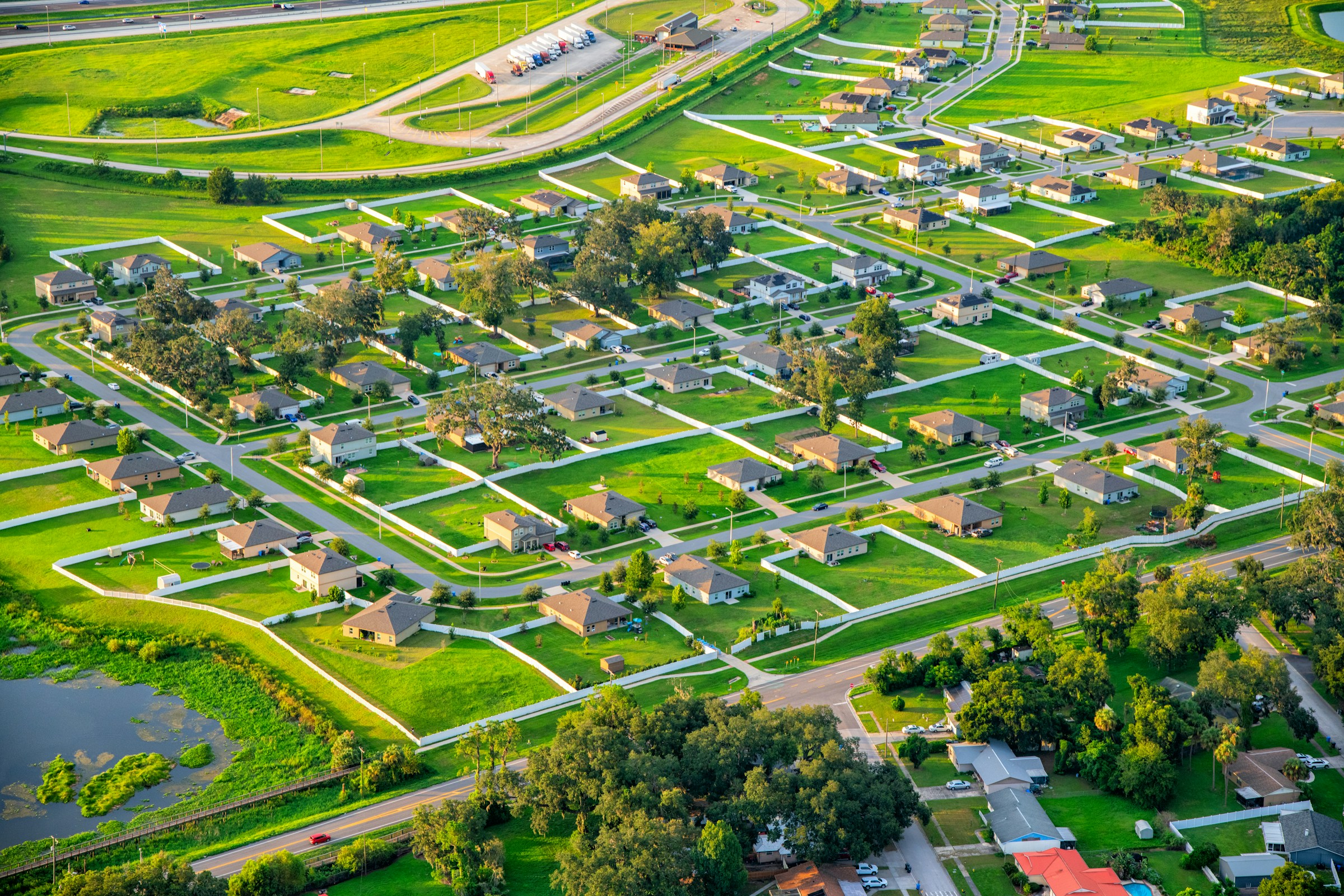
Rural property development offers long-term investment growth when investors follow clear strategies that balance planning, sustainability, and community value. This field continues to expand as people seek space, affordability, and long-term stability, making it a powerful opportunity for investors who want reliable returns. When rural property development is guided by thoughtful planning, land assessment, and market trends, investors can realize strong potential for value appreciation while supporting sustainable rural growth.
Understanding Market Demand in Rural Regions
Market demand lays the foundation for success by determining which types of rural property development are likely to thrive. Investors examine population shifts, infrastructure expansion, and employment trends to learn how rural areas change over time. When people move to rural areas for affordable housing or remote work, demand for well-planned development increases. This shift encourages investors to assess long-term growth patterns to make decisions that support steady returns.
Rural communities often evolve as industries expand, new businesses open, and transportation access improves. These changes create opportunities for housing projects, small commercial developments, and mixed-use spaces. When investors recognize these indicators early, they can position themselves ahead of competing developers. A clear understanding of market trends helps shape investment decisions and guides project planning toward sustainable growth.
Evaluating Land and Environmental Potential
Land evaluation plays a significant role in rural property development because soil quality, water access, and geographic features affect project outcomes. Investors explore factors that determine a property’s suitability for construction or agriculture. When these details align with development goals, long-term investment success becomes more realistic. Environmental research also reduces risk by identifying potential issues before major construction begins.
Rural landscapes offer diverse opportunities when investors consider ecological balance. Projects that respect wetlands, wildlife areas, and natural resources support healthy long-term results. Responsible development encourages community trust and enhances property appeal by preserving natural surroundings. When investors support environmental harmony, they also increase the property’s future value.
Building Relationships Within Rural Communities
Strong community relationships support rural property development because local trust influences long-term success. Investors learn from residents, business owners, and local leaders to understand how development may impact the area. When communication remains open and respectful, projects move forward with fewer challenges. These relationships also guide decision-making by providing insights into community priorities.
Local partnerships often open doors to better opportunities because shared goals strengthen long-term stability. When investors include community needs within their development plans, they build support that helps projects grow. These efforts increase acceptance and reduce resistance by showing that development brings shared benefits. Positive relationships create a durable foundation for future expansion.
Enhancing Infrastructure for Sustainable Growth
Infrastructure improvements drive rural property development by attracting new residents and supporting commercial growth. Roads, utilities, broadband access, and transportation links create strong incentives for investment. When these upgrades align with development goals, rural properties gain greater value over time. Investors who focus on infrastructure often see faster appreciation because improved access encourages population growth.
Sustainable infrastructure planning also supports long-term environmental balance. Green infrastructure helps developers integrate renewable energy options, water-conservation systems, and modern waste-management solutions into rural projects. These sustainable choices increase property appeal while lowering long-term costs. When investors prioritize responsible planning, they create rural developments that remain strong for decades.
Exploring Residential and Mixed-Use Opportunities
Residential projects provide consistent demand because rural housing continues to grow in popularity. Families, retirees, and remote workers all seek quieter environments, and rural regions offer the space they need. Investors design communities with comfort, affordability, and long-term durability in mind. These choices elevate property value and encourage steady population growth.
Mixed-use spaces offer new possibilities by combining housing, shops, and community areas. These developments increase convenience while supporting local businesses. When investors create accessible spaces, they form vibrant rural communities that attract long-term residents. These developments add value by strengthening the local economy and improving the quality of life.
Leveraging Agricultural Potential for Investment
Agricultural land offers unique growth potential because it supports both income and long-term appreciation. Investors analyze soil quality, crop potential, and climate trends to identify which agrarian opportunities provide strong returns. When agricultural projects align with market demand, land value rises over time. These investments become more powerful when they support sustainable farming practices.
Modern agriculture includes diverse options such as organic farming, livestock production, and specialty crops. These opportunities grow as consumer preferences evolve. Investors who explore these paths gain flexibility in their development plans and create long-term revenue streams. Agricultural potential strengthens rural property development by blending tradition with innovation.
Adapting Properties for Eco-Friendly and Recreational Use
Eco-friendly developments attract investors who want sustainable solutions that support the natural environment. Renewable energy systems, eco-lodges, and conservation-focused housing attract residents who value nature. These properties also generate stable long-term returns because eco-conscious communities continue to expand. When investors prioritize green development, they contribute to healthier rural landscapes.
Recreational land offers another strong investment strategy, as outdoor activities attract visitors year-round. Trails, fishing areas, cabins, and campgrounds offer steady tourism income. Investors adapt rural properties to support these features, creating new revenue opportunities. Recreational development enhances rural property value by blending nature with outdoor lifestyles.
Strengthening Long-Term Value Through Smart Planning
Long-term planning is key to the success of rural property development because it prepares investors for future challenges. Clear strategies allow developers to manage costs, protect natural resources, and meet community needs. When investors adopt a flexible approach, they can adjust plans as market trends shift. This balance supports steady property appreciation and long-term stability.
Thoughtful planning includes detailed research, environmental awareness, and modern design. These elements help investors create projects that remain strong through economic changes. When developers remain consistent, patient, and attentive to detail, rural properties evolve into valuable assets. Thoughtful planning ensures that investments support growth for many years.